1975: The Summer Everyone Wore Turquoise
For a few golden years in the 1970s, the whole country fell in love with the desert. Turquoise and silver — once known mostly to the Southwest — became the most wanted jewellery in America. This is the story of that boom, and why its spirit never really left.
How a region became a craze
The spark is often credited to magazines like Arizona Highways, whose lush photographs put Navajo, Zuni and Hopi silverwork in front of a national audience. It landed at the perfect moment: the 1970s were hungry for authenticity and American craft, somewhere between hippie freedom and disco glamour. Turquoise fit both.
Cher, and the squash blossom
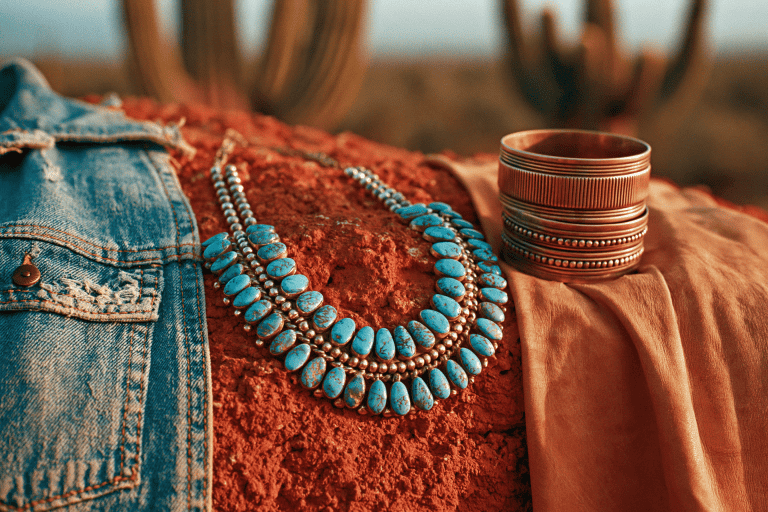
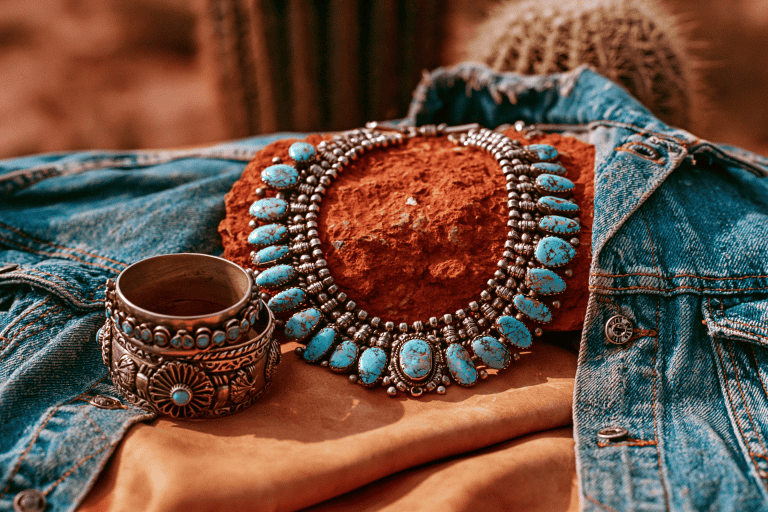
Star power sealed it. Cher had worn Native American jewellery since the mid-60s, and by her 1973 album Half Breed she was an icon of the look. The squash blossom necklace became one of the single most popular pieces of the decade — draped over suede, denim, and floor-length gowns alike.
The boom, and the bust
Stores devoted to turquoise opened across the country; pop-ups and travelling sellers followed the demand. With demand came the first great wave of imported copies — and, by the mid-70s, the boom cooled as fashion turned and the price of silver climbed. But the genuine pieces from those years became exactly what collectors chase now: sun-baked, golden-age Americana.
The spirit that stayed
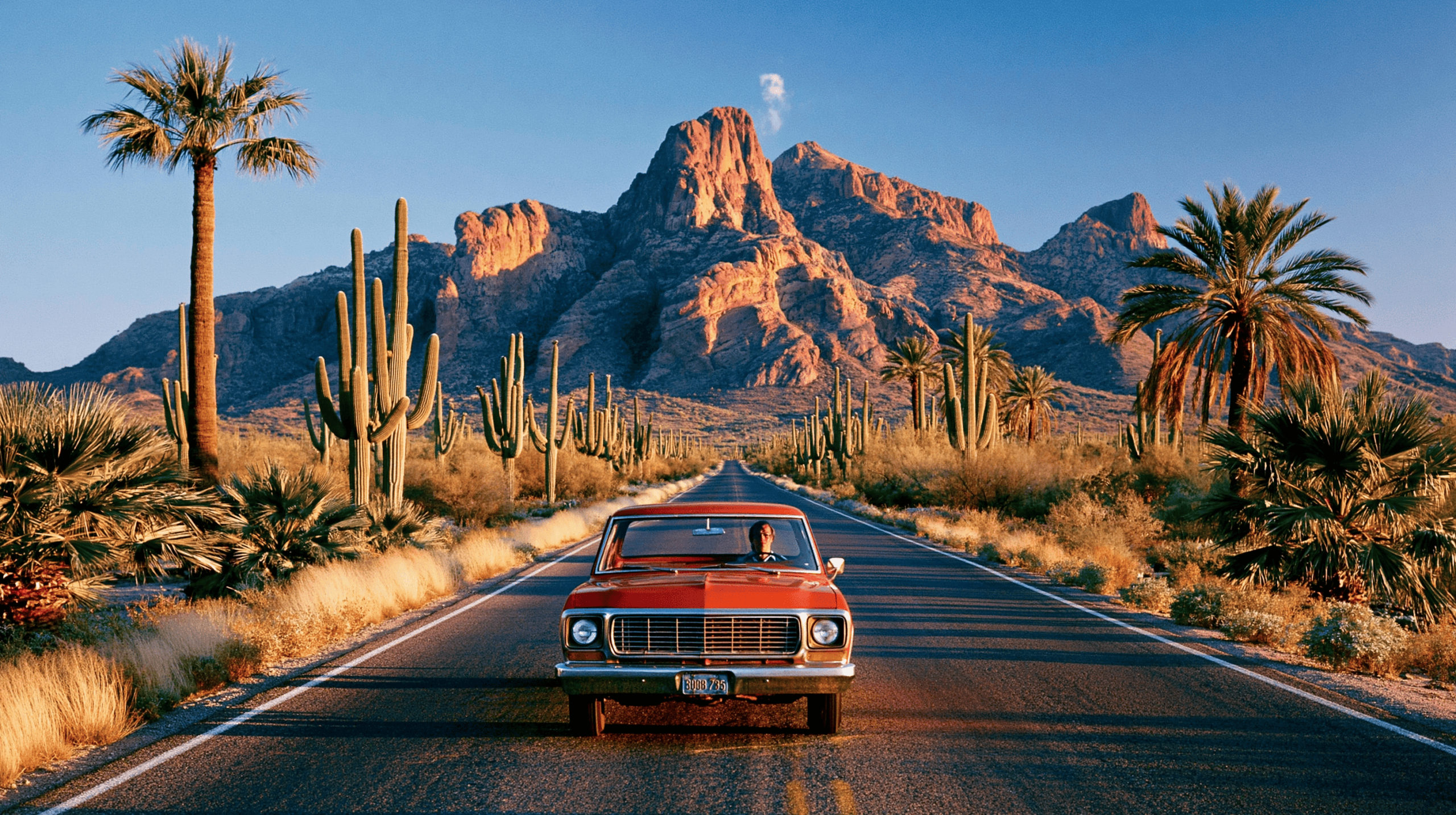
That 70s golden age — cactus and cowboy, sunset silver, wild and free — is the exact mood AURELÉ’s vintage line goes looking for. Some trends end. This one just went home to the desert to wait.